Riparian Buffer Restoration Insights for August
When I first got involved in restoring riparian buffers—the critical strips of land along rivers and streams—I had little idea how complex and rewarding the work truly is. This type of restoration means healing the fragile edges where land meets water. It involves restoring vegetation, stabilizing soil, and creating habitats that support both aquatic and terrestrial wildlife. The big picture? Healthier ecosystems and cleaner water. But it’s much more than planting trees or grasses. It’s a precise balance of science, timing, and patience.
What Is Riparian Buffer Restoration?
At its simplest, riparian buffer restoration means bringing back the plants and natural features along riverbanks that protect waterways from erosion, pollution, and habitat loss. When riparian zones degrade—often due to farming, urban development, or invasive species—water quality sinks, native animals lose homes, and flood risks rise.
Restoring these buffers gives rivers and streams a fighting chance to stay healthy. The vegetation acts like a natural filter, catching sediments and pollutants before they enter waterways. It also cools the water by providing shade, which benefits fish and other sensitive species.
Why Riparian Buffers Matter So Much
Riparian zones are nature’s frontline defense for freshwater ecosystems. Without intact buffers, shorelines erode faster. Pollutants such as nitrogen and phosphorus from fertilizers wash straight into rivers, triggering algae blooms that kill fish. Wildlife that depend on riverbanks—like birds, amphibians, and insects—lose vital habitats.
On a broader scale, healthy riparian buffers help control flooding by absorbing excess rainwater. They store carbon in plants and soil, slowing climate change. And let’s not overlook how beautiful and calming these green corridors are for people. Walking along a restored stream can be healing to the mind and soul.
The Science and Strategy Behind Restoring Riparian Buffers
Successful restoration depends on thorough understanding and careful planning. Here’s how I approach it:
Initial Site Evaluation
The first step is assessing the area. What plants and animals were historically present? What is the current condition? I check soil stability, water flow patterns, and the presence of invasive species. This step often calls for reviewing historical maps, testing soil, and conducting field surveys.
Threat Removal
You cannot restore what is continually threatened. Removing invasive plants that crowd out native species is crucial. Sometimes this means manual removal; other times it involves carefully chosen biological methods. Stabilizing eroding banks with temporary supports may also be necessary.
Replanting with Native Species
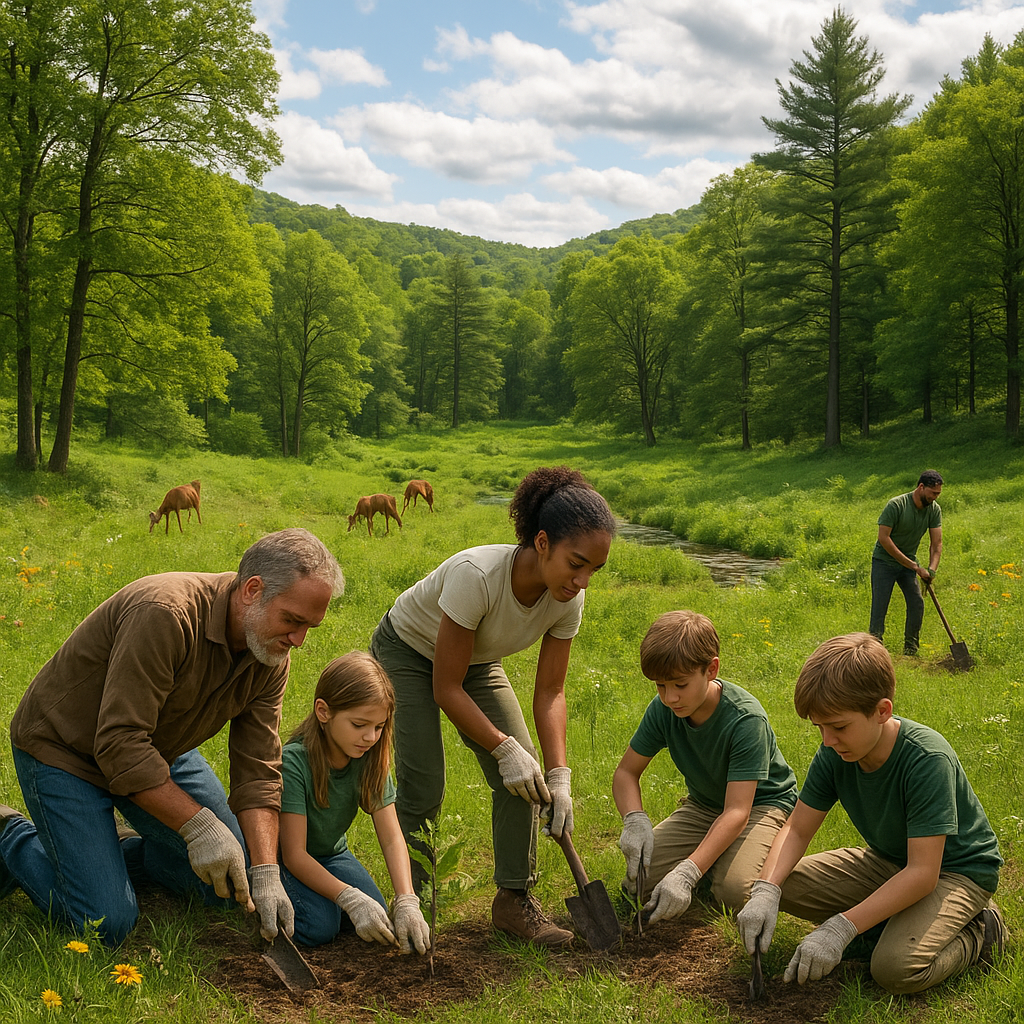
Native trees, shrubs, and grasses are the backbone of riparian buffers. Species like willows, alders, and cottonwoods are not only good at holding soil in place but also provide essential habitat and food for wildlife. Planting must be timed to ensure the highest survival rate—usually during dormant seasons or periods of moderate moisture.
Monitoring and Maintenance
Restoration is not a one-time event; it is a continuous process. After planting, monitoring plant growth, water quality, and wildlife presence guides adaptive management. If invasive species return or flooding alters conditions, adjustments become necessary. This flexible approach is what defines truly successful restoration.
Lessons from the Field: My Riparian Restoration Experience
One project that always stands out involved a severely degraded riverbank. The soil was compacted from heavy machinery use, and invasive knotweed had taken over large sections. The river was turbid with sediment.
We started by stabilizing the banks with native grasses known for robust root systems. Then came the planting of diverse native shrubs and trees that serve multiple ecological functions. Initial survival rates were modest, but after several years the bank ceased to erode significantly. Wildlife activity—including birds and amphibians—has noticeably increased. Even beavers have taken up residence, further benefiting the ecosystem.
This experience taught me that patience is essential. Riparian restoration is a long-term investment where small successes build upon each other.
How You Can Support Riparian Buffer Restoration
Not everyone has access to large riverside properties, yet everyone can contribute to healthier riparian zones in some way:
- Volunteer for local stream cleanup events.
- Plant native vegetation along small waterways or in your community.
- Avoid using fertilizers or pesticides near water sources.
- Learn about local native plants and wildlife.
- Advocate for policies that protect riparian areas and fund restoration projects.
Your actions, however small, add up to stronger, more resilient waterways.
Final Reflections
Riparian buffer restoration stands at the crossroads of ecology, community, and resilience. Watching degraded riverbanks transform into green, vibrant habitats reminds me that nature rebounds when given a chance. Yet it requires effort, care, and a willingness to learn over time.
If you value clean water, thriving wildlife, and landscapes that inspire, riparian restoration is a cause worth supporting. Together, we can bring life — and balance — back to our rivers, one bank at a time.
Let us foster healthy riparian buffers to safeguard our waterways and wildlife for generations to come.