Best Sapling Planting Methods Insights for August
Forests have always fascinated me—the way they stretch endlessly, the vibrant life they support, and their quiet, relentless role in keeping our planet balanced. But as I learned more about environmental issues, one fact hit hard: deforestation is stripping the earth of its vital lungs. That’s why understanding the best sapling planting methods is crucial. This isn’t just about sticking trees in the ground; it’s about restoring ecosystems, fighting climate change, and giving our planet a fighting chance.
In this article, I want to share clear, practical insights on sapling planting methods that really work, especially for those ready to make a difference this August.
Why Sapling Planting Matters
Before we get into the how, let’s talk about the why. Forests cover nearly a third of the earth’s land and act as powerful carbon sinks. When trees are cut down, the carbon they store goes back into the air, speeding up global warming. Forests also protect countless species, regulate water cycles, and provide livelihoods for millions worldwide.
Planting saplings reestablishes these vital systems. But not all planting methods deliver the same results. Knowing the best ways means higher survival rates and stronger, healthier forests.
Seedling Planting: The Foundation of Successful Reforestation
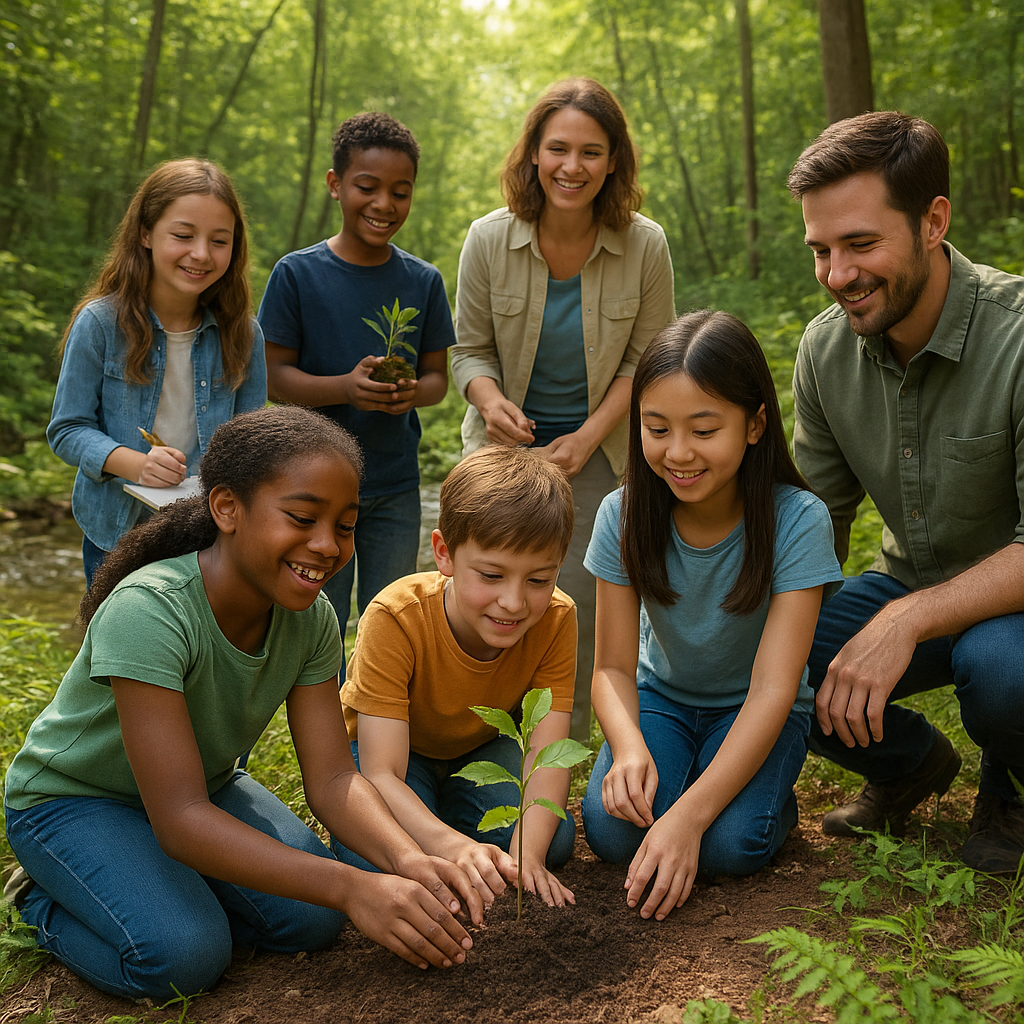
Sapling, or seedling, planting is what most people think of when they imagine reforestation. This method involves growing young trees in nurseries and then transplanting them into the field.
Why is this method effective? Because nursery-grown seedlings bypass the vulnerable early germination stages, giving them a better shot at survival. You can also choose species suited to the site and prepare the seedlings for the local climate.
Here are some tips for the best results:
- Choose native species: They are adapted to the soil, pests, and weather.
- Prepare the soil: Good soil improves root establishment.
- Plant at the right time: Early rainy seasons or cooler months reduce stress.
- Proper spacing: Avoid crowding to reduce competition.
- Watering and mulching: Keep soil moist and reduce evaporation.
- Protect from pests and grazing: Use guards or fencing where needed.
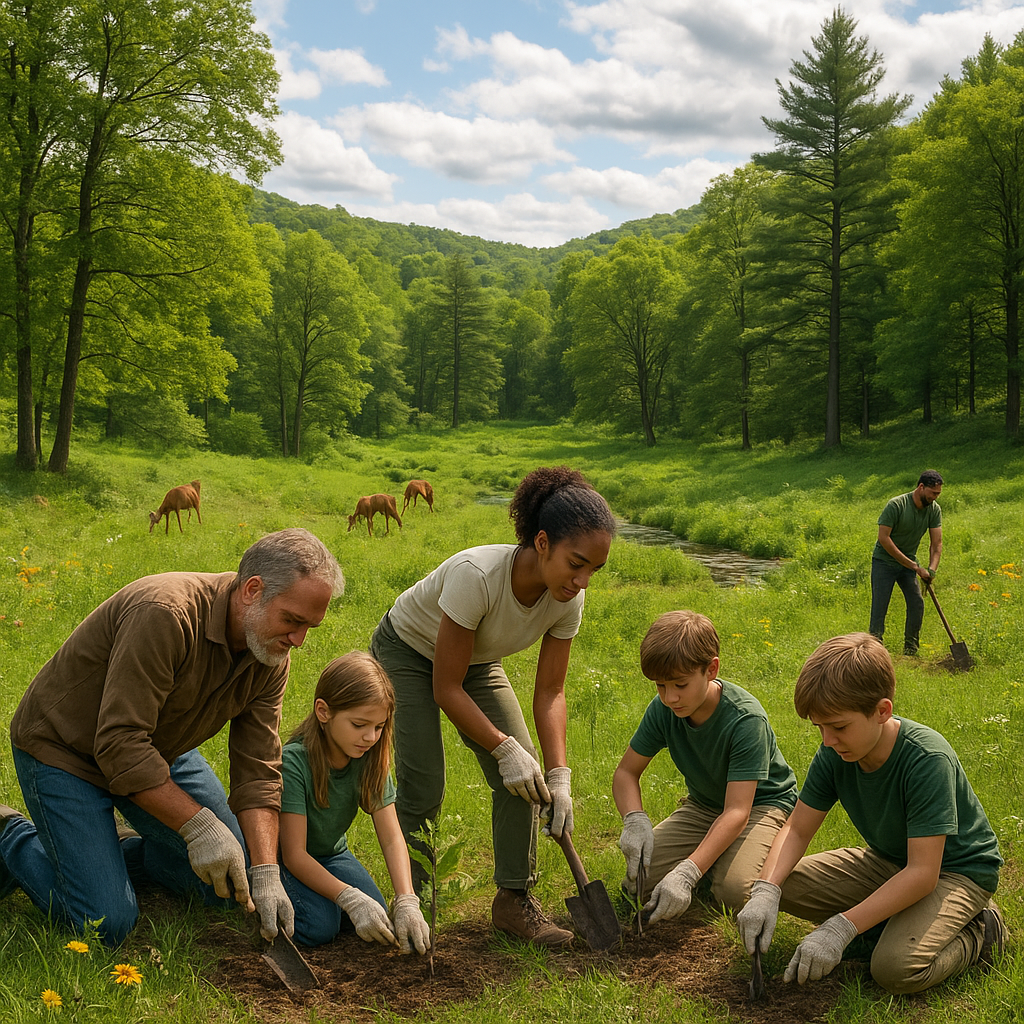
When I first helped plant seedlings, I saw how much these small steps can improve growth. It’s hands-on work, but every seedling that takes root makes a difference.
Direct Seeding: Cost-Effective Yet Risky
Direct seeding is another way to grow trees by scattering seeds directly onto prepared soil. It’s less labor-intensive and cheaper since it skips the nursery stage.
However, it comes with risks. Many seeds may fail to germinate due to predators, dry conditions, or poor soil. Selecting hardy species with high germination rates helps. Protecting the seeded area, possibly with natural mulch or light fencing, also increases success.
In my experience, direct seeding works best in well-planned areas where natural conditions favor seed survival. It’s not a one-size-fits-all solution but can stretch budgets effectively.
Enrichment Planting: Boosting Biodiversity in Existing Forests
Sometimes, the best approach isn’t starting from scratch but enhancing what’s already there. Enrichment planting means adding desired tree species into degraded forest patches where natural regeneration is slow or limited.
This method increases diversity and forest density while supporting wildlife habitats. It’s strategic and cost-effective when applied thoughtfully.
I find enrichment planting rewarding because it combines restoration with conservation, amplifying the health of existing ecosystems.
Assisted Natural Regeneration: Supporting Growth Without Over-Intervention
This technique strikes a balance between hands-off and direct planting. Assisted natural regeneration focuses on protecting and helping young plants already growing naturally.
By clearing weeds, controlling fires, and fencing off areas from animals, you create an environment where seedlings can thrive. This method is often lower cost and encourages biodiversity since native species return naturally.
I appreciate assisted natural regeneration for its partnership approach—it respects nature’s pace while gently nudging growth in the right direction.
Final Thoughts on Sapling Planting for August
Planting saplings is more than mere action—it’s a thoughtful process with lasting impact. August, often the start of rainy seasons in many regions, offers ideal conditions but also demands preparation.
The most effective sapling planting methods depend on local climates, soil, species, and resources. Whether you choose seedling planting, direct seeding, enrichment planting, or assisted natural regeneration, paying attention to timing, species selection, and ongoing care makes all the difference.
Having walked this path, I can say with confidence that combining methods and involving local communities improves outcomes. Every sapling that survives is a victory in the fight against deforestation.
How You Can Make a Difference
If you’re inspired to get involved or start your own project this August, reach out to local forestry experts or environmental groups. They can help you identify the best sapling planting strategies for your area.
Remember, patience, precision, and persistence are key. Whether you plant one seedling or a thousand, you’re contributing to breathing life back into our planet.
Planting trees is planting hope. Let’s do it right.